Skip to content
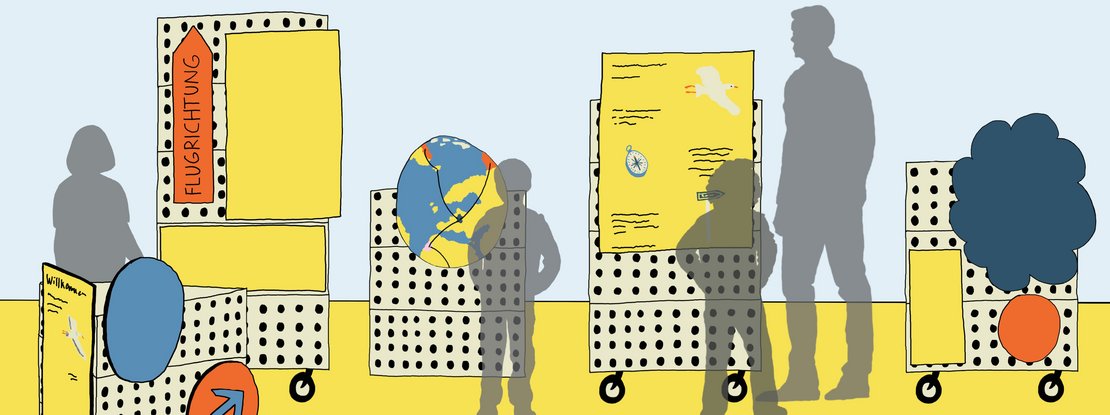
VISUELL Scenography: ‘Bird Migration’ travelling exhibition by Kids4Kids: an overview of several mobile, stackable exhibition stations on castors; modules of varying heights with colour-coded surfaces (sunny yellow, pink, midnight blue) appeal to different age groups and structure the exhibition route.
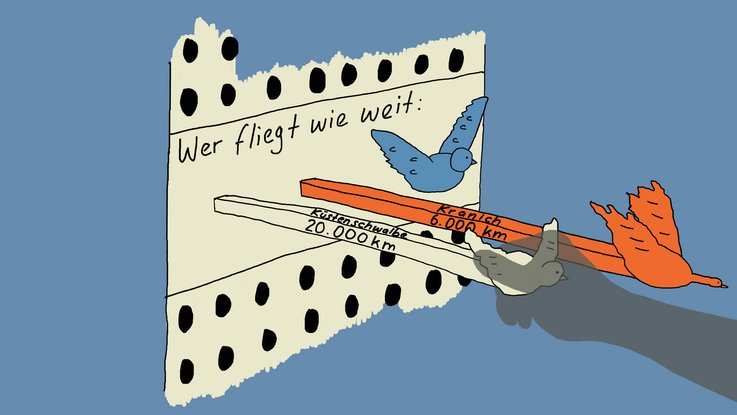
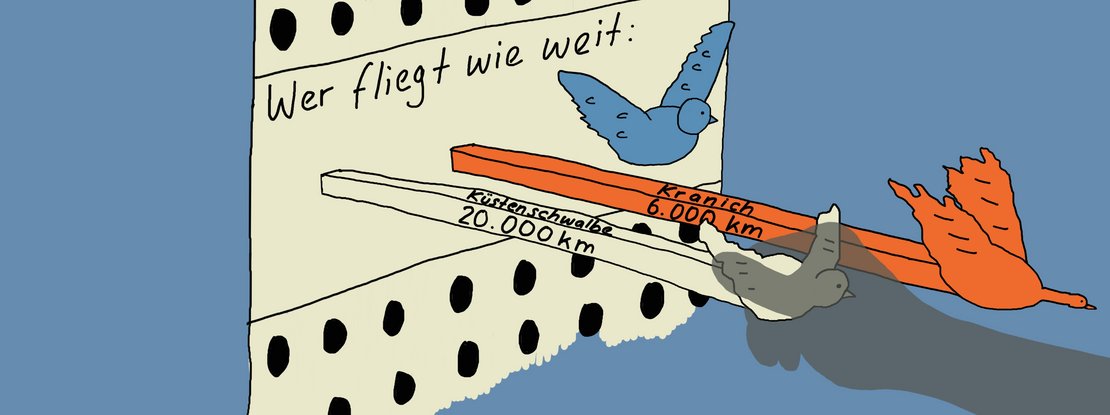
VISUELL Scenography: ‘Bird Migration’ travelling exhibitiondetailed illustration of a mechanical hands-on station featuring a bird motif; an engaging way to learn about the flight ranges of different birds
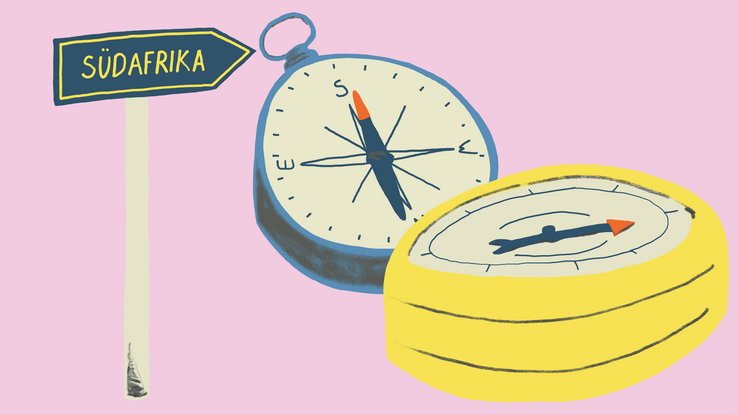
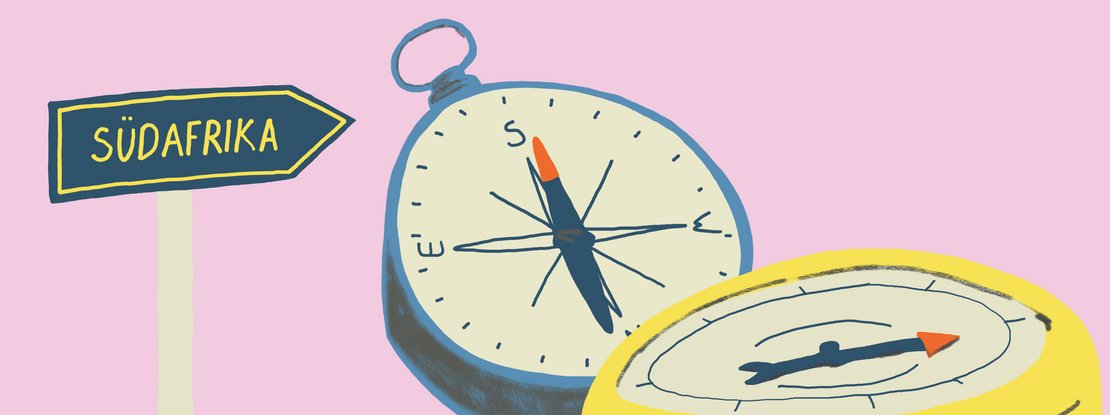
VISUELL Scenography: ‘Bird Migration’ travelling exhibition by Kids4Kids: illustrations of navigational aids such as compasses and signposts on a pink background; a symbolic representation of how migratory birds find their way within the exhibition.
Project

Travelling exhibition: Bird Migration Kids4Kids

Client

Lower Saxony Logistics Centre

Location

various locations

Year

2025

Services

Concept

VISUELL Scenography: ‘Bird Migration’ travelling exhibition by Kids4Kids: illustration of an interactive station featuring a rotating globe; hands-on presentation of migration routes for younger visitors.
VISUELL Scenography: Kids4Kids migratory bird exhibition: illustration of a flying pink migratory bird in a stylised design; a graphic element to visualise the exhibition’s theme.
VISUELL Scenography: Kids4Kids migratory bird exhibition: illustration of a flying yellow migratory bird in a stylised design; a graphic element to visualise the exhibition’s theme.

As part of a tender for the Logistics Centre of Lower Saxony, VISUELL developed the exhibition concept >Bird Migration Kids4Kids< and came second. The concept addresses a clear brief: a scientifically complex topic is to be communicated to pupils from primary school through to sixth form in a way that is understandable, nuanced and mobile. At the heart of the concept is a modular exhibition system that adapts spatially, in terms of content and form to the different target groups.
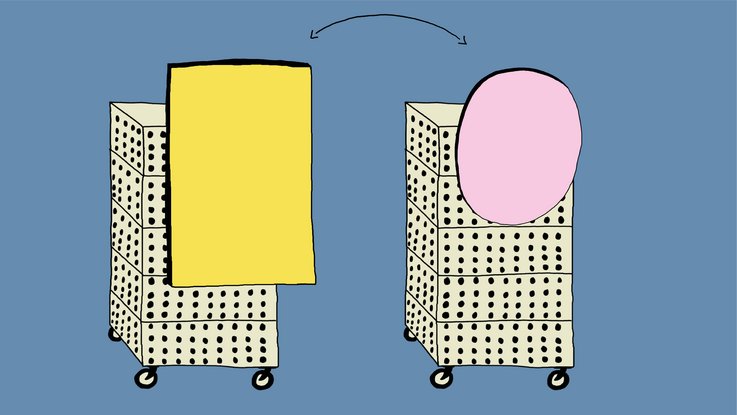
The stations are stackable, mobile and designed for changing exhibition venues. Height, structure and information surfaces can be varied. This allows the content to be swapped, recombined and adapted for further exhibitions. The modules, information carriers and media can be reused, revised and updated with new content without the need to reproduce the system. 
The design follows a consistent target-group-based approach. For younger children, the focus is on short texts, illustrations and diagrams that provide quick access to the topic. Here, we rely on analogue, mechanical and tactile elements based on the hands-on principle. The content is made accessible through play, fostering a relaxed understanding. Older pupils are provided with in-depth texts and infographics that explain connections and contextualise data. Complex information is not simplified, but translated into understandable contexts through comparative representations of distances, heights or time periods.
A key design element is colour coding. A bright sunny yellow indicates content for children aged between 6 and 12, a subtle shade of pink indicates content for young people aged 12 and over. Midnight blue complements both levels and picks up on the theme of the night train. The colour scheme aids orientation and recognition. The contrasts meet the requirements for accessible reading. The typography itself is also designed for readability and clear guidance. A sans-serif typeface structures the body text, whilst a contrasting typeface breaks down topics and sections. Illustrations serve an explanatory function and aid the visual comprehension of the content. An audio-based guidance system complements the physical stations. Coloured bird figures represent different species of migratory birds and link the individual stations into a coherent tour. The audio content enables active, self-directed learning.
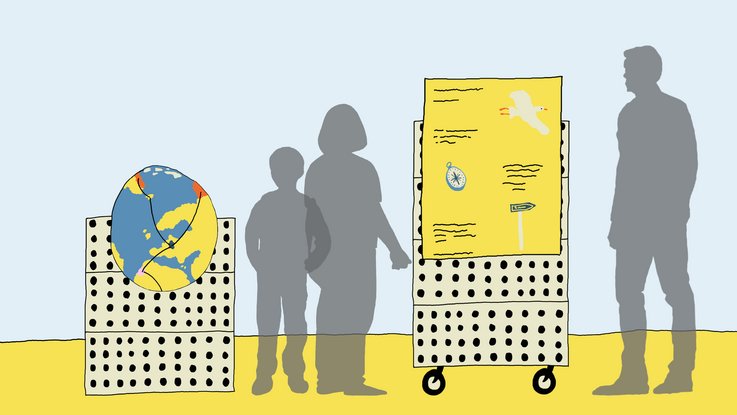
The exhibition system also takes into account barrier-free access for wheelchair users: variable heights, easily accessible information panels and sufficient space to manoeuvre allow for an independent tour from a seated perspective.
VISUELL Design: ‘Bird Migration’ travelling exhibition by Kids4Kids: a simplified illustration of a map in shades of beige, yellow, orange and blue; a graphic element visualising the exhibition’s theme against a pink background
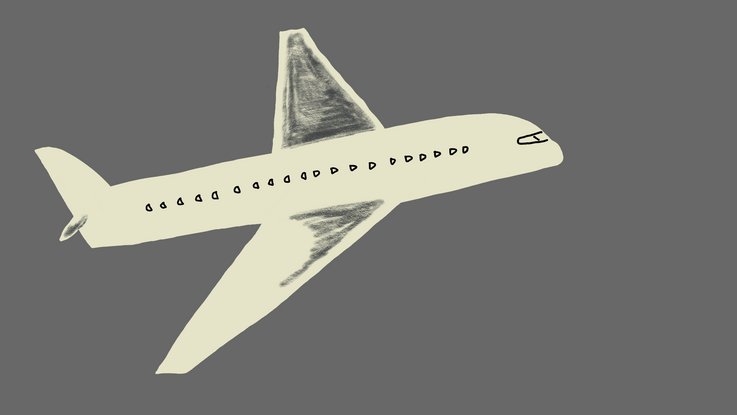
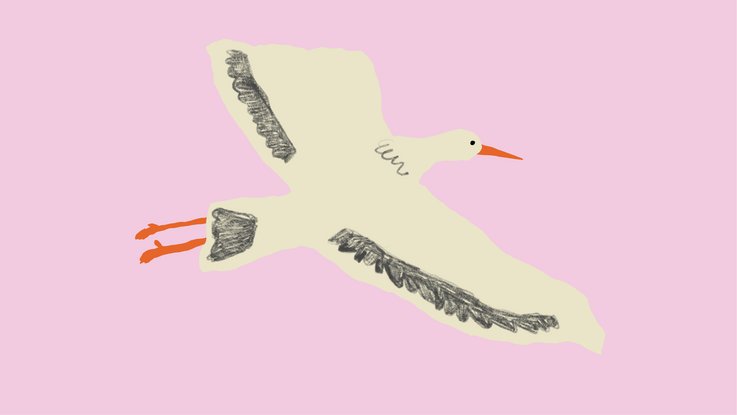
VISUELL Scenography: ‘Bird Migration’ travelling exhibition by Kids4Kids: two modular exhibition units in a variable configuration; interchangeable information panels in various colours and shapes allow for flexible adaptation to different contentVISUELL Scenography: ‘Bird Migration’ travelling exhibition by Kids4Kids: illustrations of navigational aids such as compasses and signposts on a pink background; a symbolic representation of how migratory birds find their way within the exhibition.VISUELL Scenography: Kids4Kids migratory bird exhibition: a graphic representation of an aeroplane used for comparison; it is beige and designed in a childlike illustrative styleVISUELL Scenography: Kids4Kids migratory bird exhibition: a scene featuring silhouettes of visitors at two interactive stations; the silhouettes show the different heights of the stations, which are designed to be accessible to allVISUELL Scenography: Kids4Kids migratory bird exhibition: detailed illustration of a mechanical hands-on station featuring a bird motif; an engaging way to learn about the flight ranges of different birdsVISUELL Scenography: ‘Bird Migration’ travelling exhibition by Kids4Kids: illustration of a stylised bird – in this case a stork – on a pink background; part of the visual identity designed to make the exhibition instantly recognisable.